
 Česky
Česky  English
  Deutsch
  Українська
 Breast Reduction
Breast reduction (reduction mammaplasty) is a surgery that reduces the volume, weight and size of overly large breasts. Excess glandular tissue, fat and skin are removed, the breast is reshaped into an aesthetically pleasing form, and the nipple and areola are repositioned higher. At Aesthgery clinic in Pilsen, this procedure is performed by experienced plastic surgeons with emphasis on natural results and maximum patient comfort.
Procedure overview
Who is breast reduction suitable for
Breast reduction is intended for women suffering from chronic back, neck and shoulder pain caused by the excessive weight of their breasts. Additional indications include bra strap grooves, skin irritation under the breast fold, limited physical activity, or significant breast asymmetry. An ideal candidate is a woman whose breasts have fully developed, who does not plan pregnancy or breastfeeding in the near future, and whose health condition permits general anesthesia. The surgery brings not only aesthetic improvement but primarily significant relief from physical discomforts that large breasts cause in everyday life. Patients regularly report a marked improvement in quality of life, greater mobility and the ability to engage in sports that large breasts previously prevented.
The procedure and incision patterns
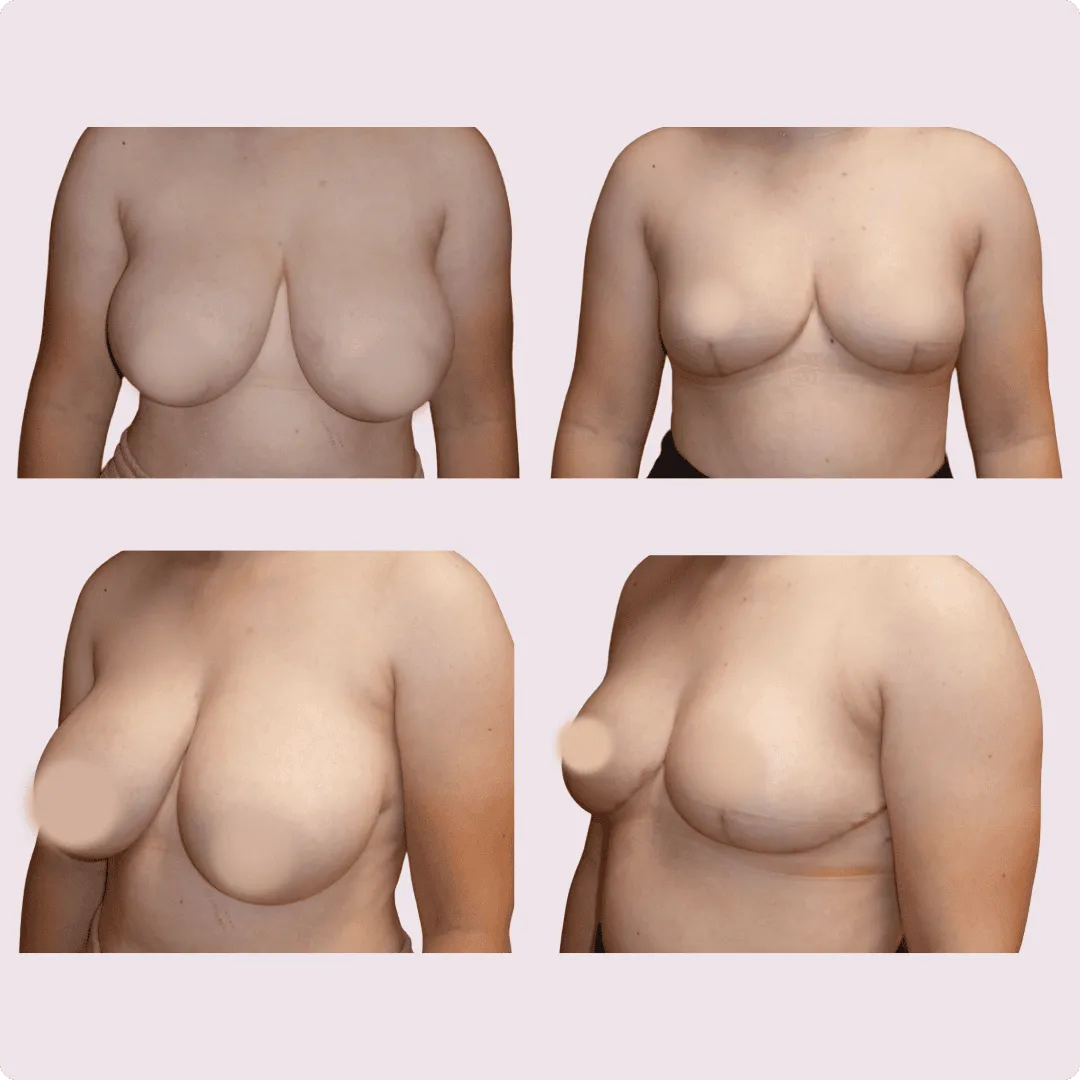
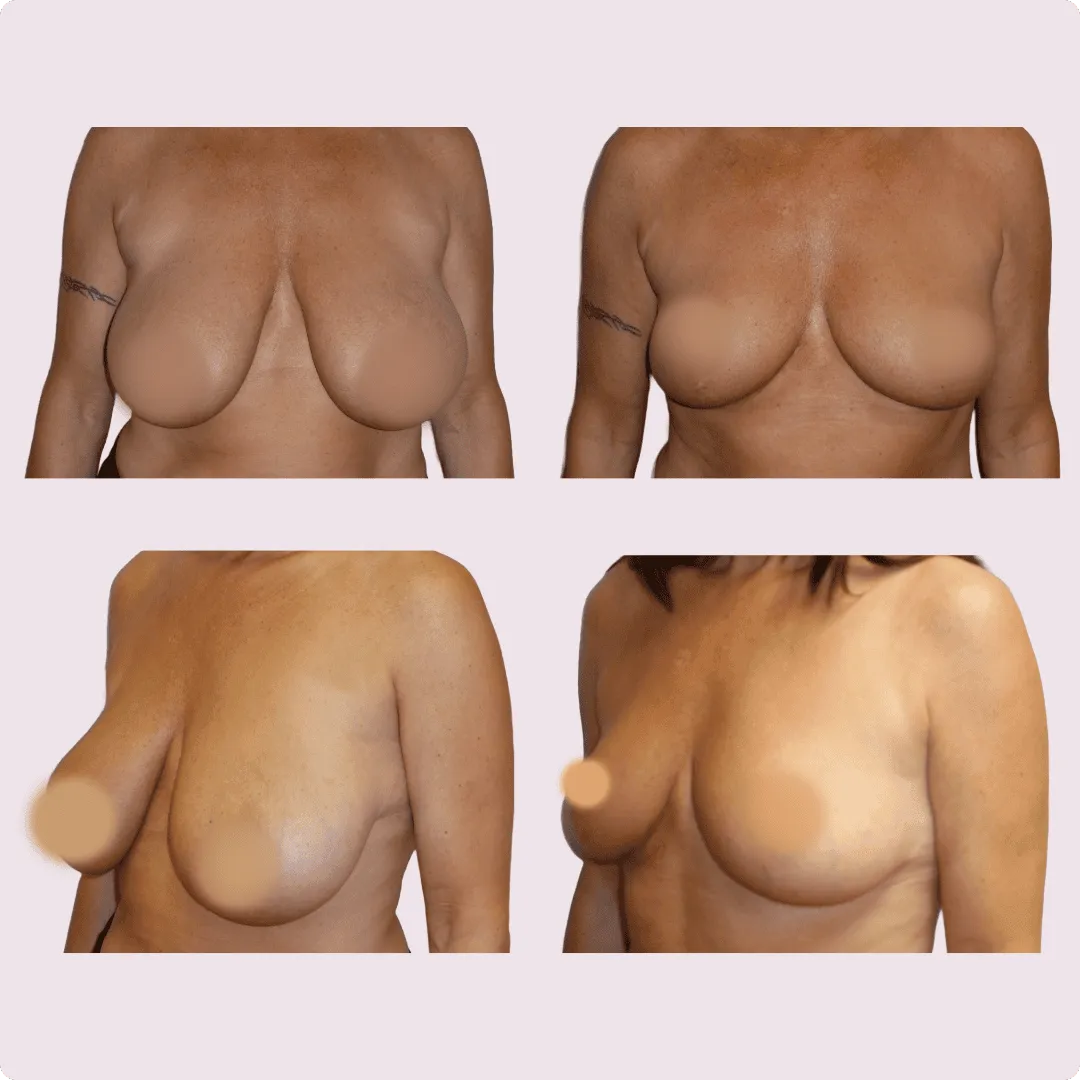
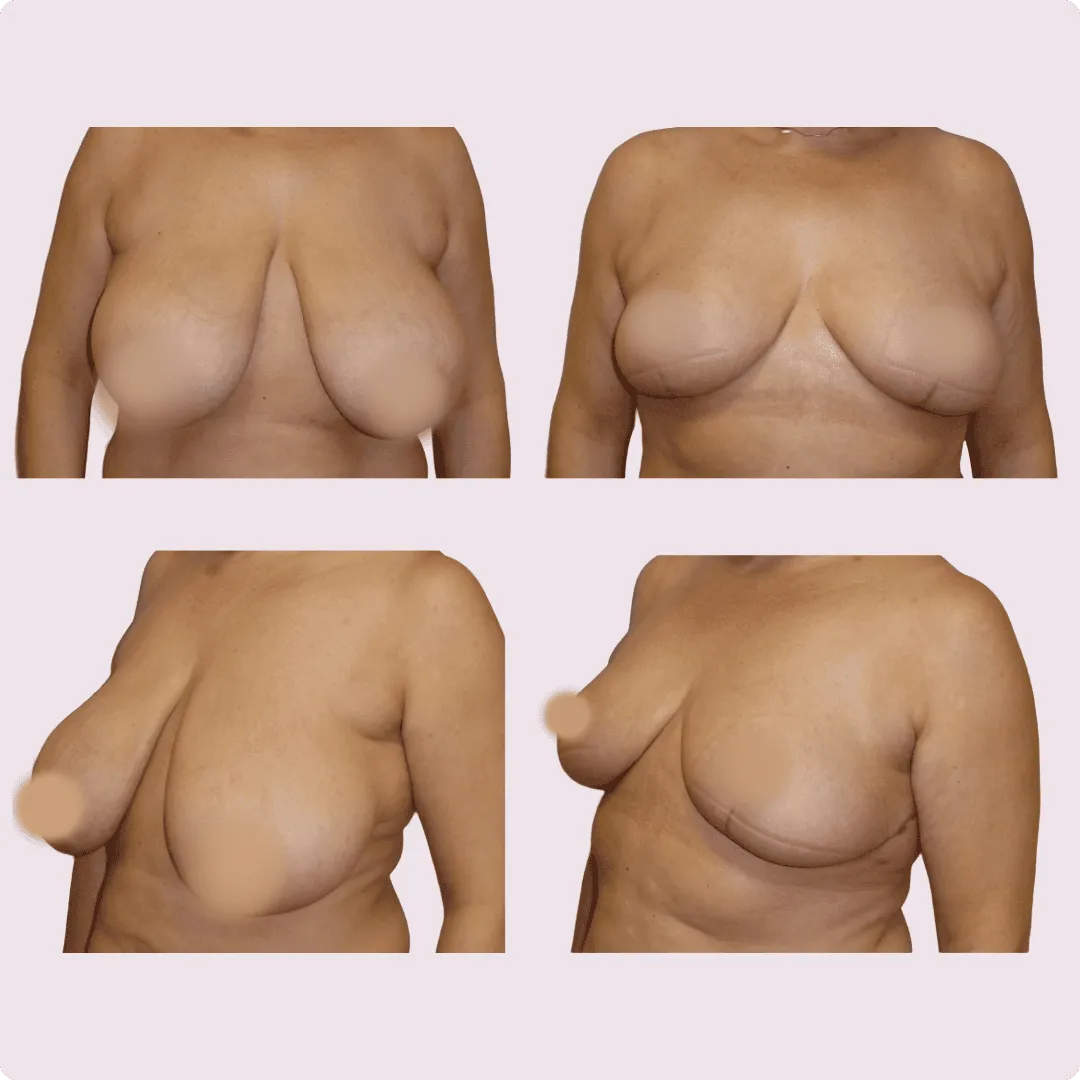
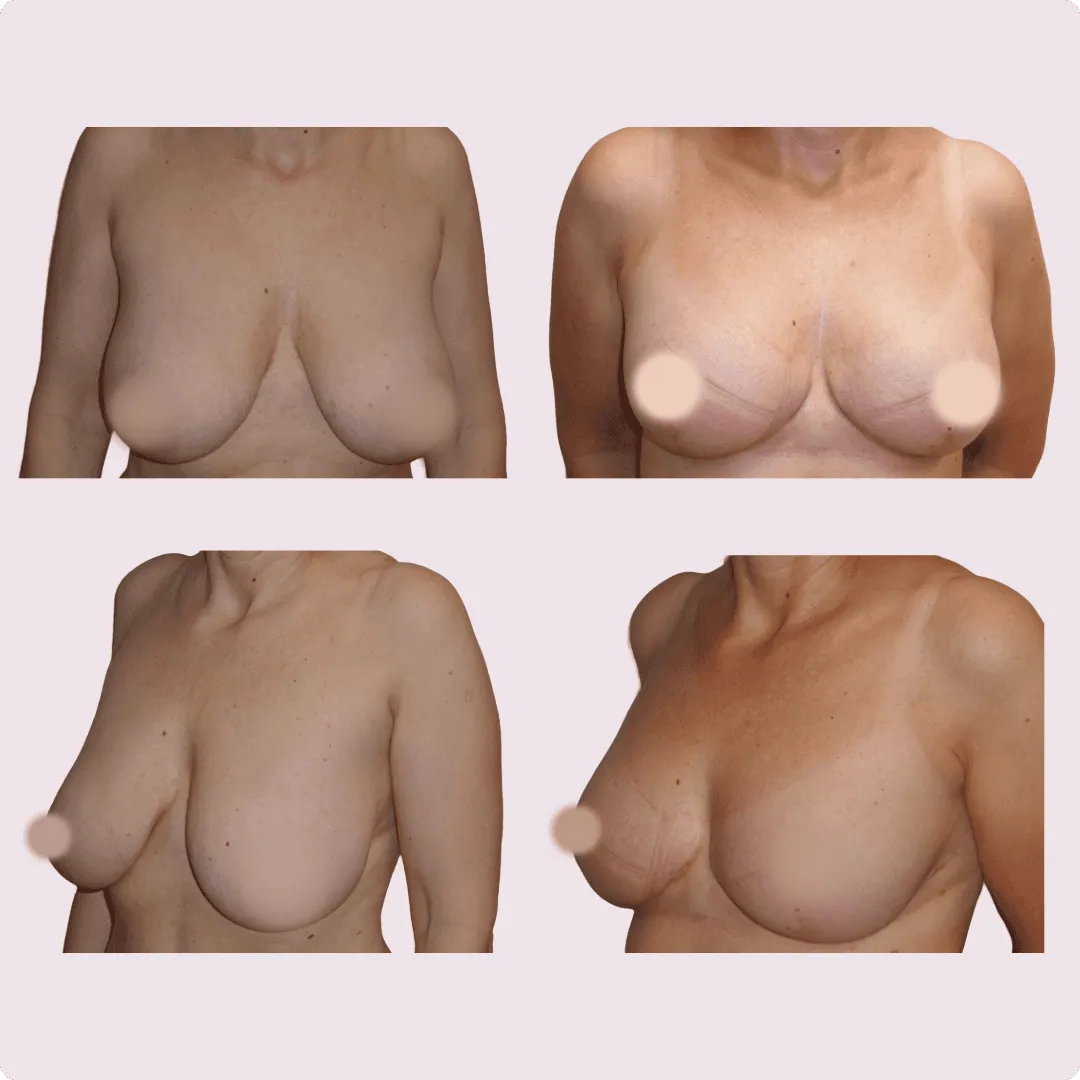
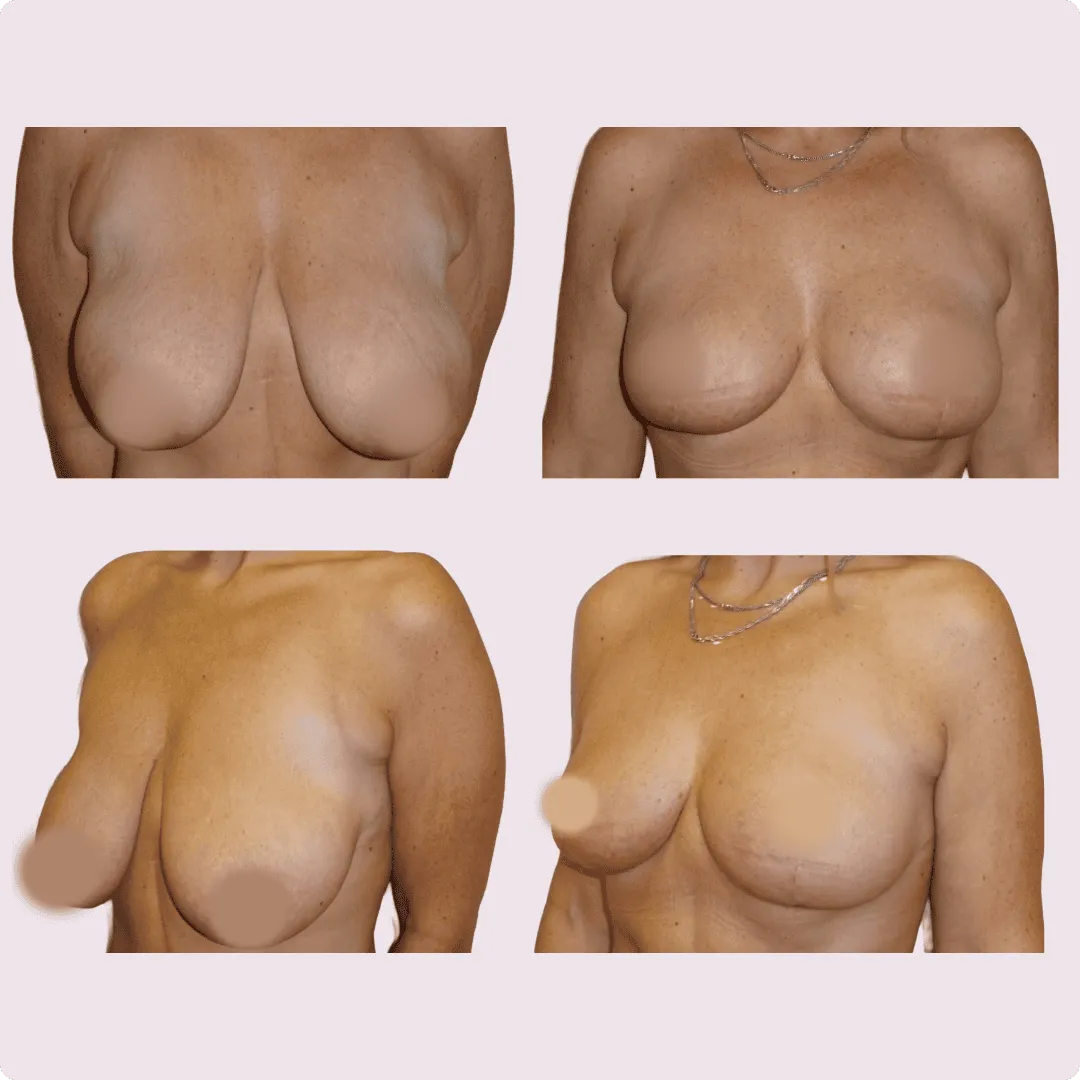
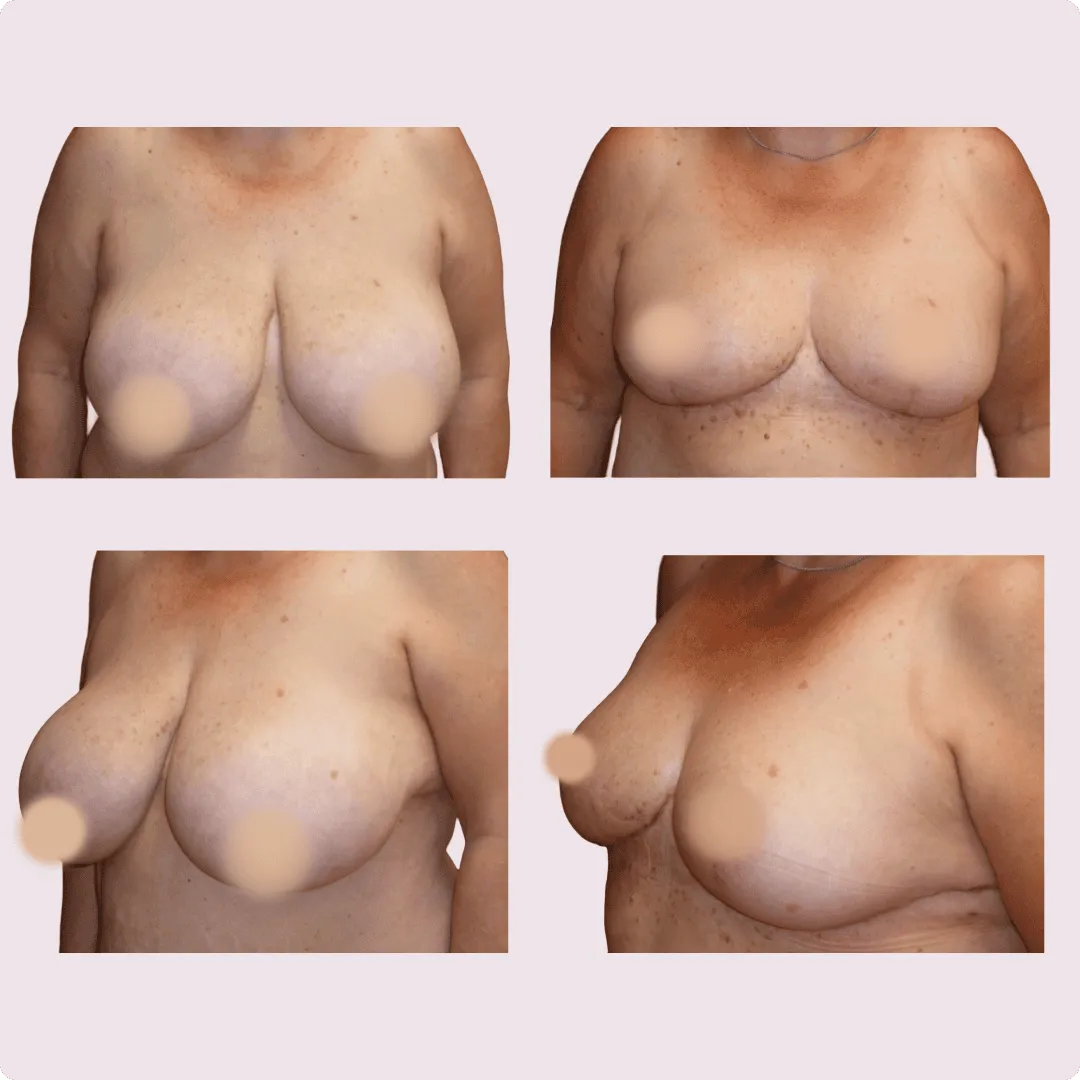
The surgery is performed under general anesthesia and takes approximately 2–3 hours. The surgeon selects the incision type based on the extent of reduction and the patient's individual anatomy. The most common approach is the anchor (inverted-T) incision, which runs around the areola, vertically down the breast and horizontally along the inframammary fold — allowing the most significant reduction and reshaping. For smaller reductions, a vertical incision (around the areola and straight down) results in a shorter scar. The periareolar incision (around the areola only) is used for minimal reductions. During surgery, excess tissue, fat and skin are removed, the areola and nipple are moved to a higher position, and the breast is closed and shaped into its new, aesthetically pleasing form. Scars gradually fade and become significantly less noticeable after 12–18 months.
Recovery after surgery
After surgery, the patient stays at the clinic for 1–2 days. Drainage tubes removing excess fluid are removed after 5–7 days. A compression bra is worn continuously for 8 weeks and greatly contributes to healing and maintaining the correct breast shape. Sutures are absorbable; the ends are trimmed at approximately 3 weeks. Swelling and bruising gradually subside over 2–4 weeks. Physical work and sports are restricted for 4–6 weeks. Most patients return to work in approximately 2 weeks if their job does not require physical strain. The final result of the surgery is visible after 2–6 months, when scars fade and tissues settle completely. Regular follow-up visits with the surgeon are part of post-operative care and ensure optimal healing.
Risks and results
Breast reduction is a safe surgery performed by experienced surgeons, yet like any surgical procedure it carries certain risks. Possible complications include temporary swelling, bruising, temporary changes in nipple sensitivity, or asymmetry. At Aesthgery clinic, risks are minimized through thorough pre-operative examination, modern surgical techniques and careful post-operative care. The result of breast reduction is permanent — the breasts remain significantly smaller for the rest of your life, though natural aging and weight fluctuations can mildly affect the shape. The vast majority of patients are very satisfied with the result and consider the surgery a fundamental improvement in their quality of life.
Before & after photos
Other procedures in Breasts
Contact
Do not hesitate to contact us. We will be happy to help you choose the right procedure.
Book consultationConsultations every Thursday 10:00 AM – 1:00 PM