
 Česky
Česky  English
  Deutsch
  Українська
 Ear Pinning
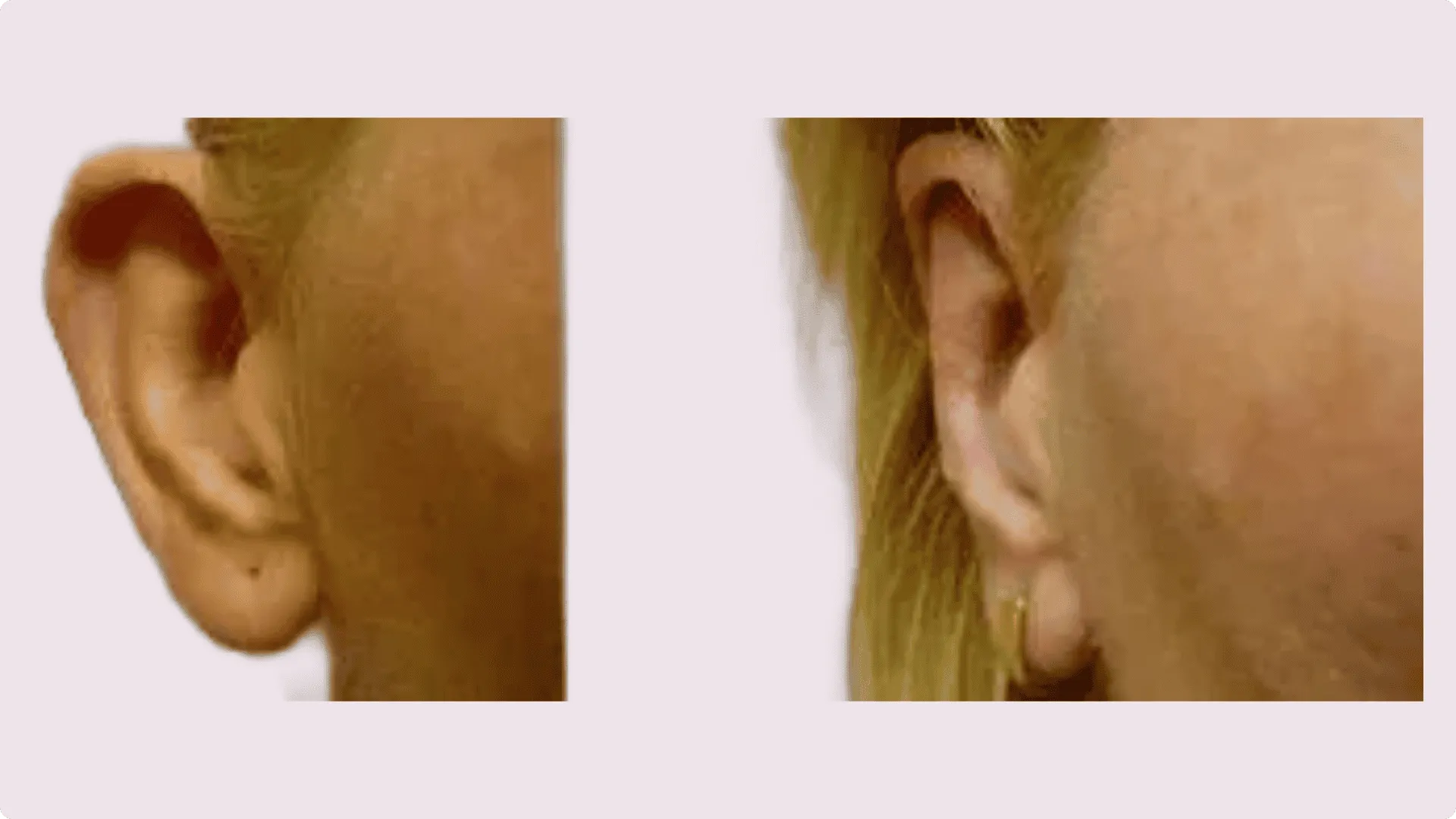
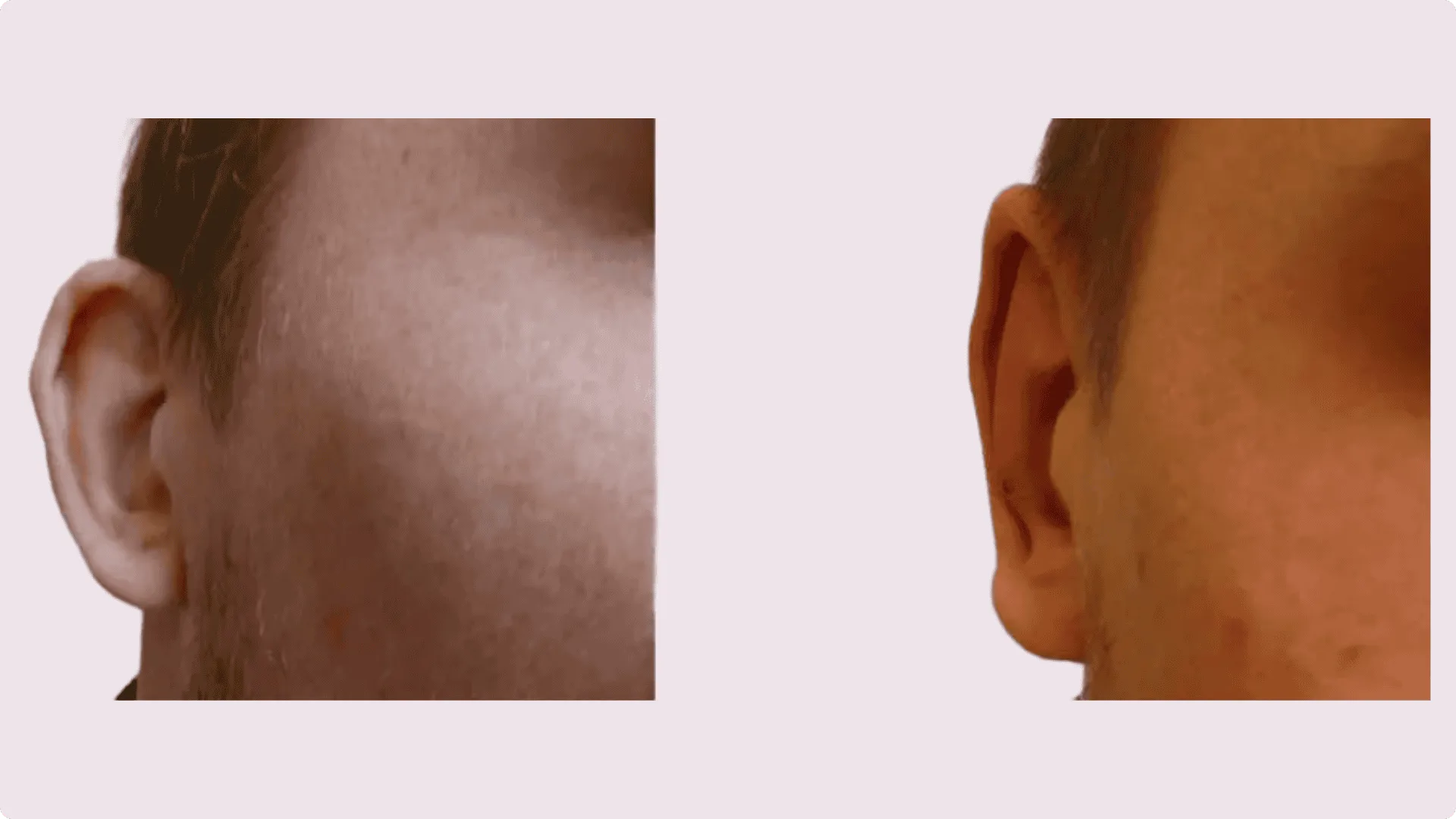
Protruding ears are among the most common congenital deviations for which people turn to a plastic surgeon. The solution is otoplasty, commonly known as ear pinning. The procedure changes the position and shape of the ear cartilage so that it sits closer to the head.
What is otoplasty and why is it performed
Otoplasty is a plastic surgery procedure that corrects the shape or position of protruding ears. The procedure addresses an underdeveloped cartilage fold of the pinna or an overly deep concha (the hollow of the outer ear), which cause the ear to stick out prominently from the head.
From a medical point of view, protruding ears are harmless, yet they significantly affect self-confidence, especially in school-age children. The operation therefore ranks among procedures with a high degree of satisfaction, because it brings not only aesthetic but also psychological relief.
When is it appropriate to undergo otoplasty
The ideal age for otoplasty in children is between the fifth and seventh year, when the growth of the ear cartilage is almost complete. In adults the procedure can be performed at any age without restriction.
The decision on surgery in children is made by the legal guardian. In adult clients the most common reason for the procedure is long-term dissatisfaction with the appearance of the ears that has persisted since childhood, or the desire to adjust the appearance later in life after a mature decision.
Are you interested in a consultation?
Book a consultationHow the ear pinning operation proceeds
Otoplasty is performed through an incision in the fold behind the ear, through which the surgeon gains access to the cartilage of the pinna. The cartilage is reshaped, weakened or sutures are used to create a new, natural fold and thus draw the pinna closer to the head.
The procedure lasts approximately 1 hour and is performed under local or general anaesthesia. In children general anaesthesia is always chosen because of the need for immobility during the operation; in adults local anaesthesia with mild sedation for greater comfort is also common.
The scar after the procedure remains hidden in the natural fold behind the ear and is therefore practically invisible even after healing. This detail is one of the reasons why otoplasty is associated with high patient satisfaction.
Return to school, work and sport after the procedure
Most clients can return to school or work within one week after the procedure. Sporting activities, especially contact sports and swimming, should be postponed for four to six weeks to avoid impact on the sensitive area.
For children we recommend scheduling the operation during school holidays, when there is enough time for recovery without pressure on school performance. Adult clients are advised to allow for a shorter period of time off work according to the nature of their employment.
What are the risks of otoplasty
Otoplasty ranks among safe and well-managed plastic surgeries with a low risk of complications. Possible risks include infection, bleeding, temporary loss of sensitivity or asymmetry of the final shape of the ears.
An experienced surgeon minimises these risks through precise technique and thorough preoperative preparation. The following factors further reduce the likelihood of complications:
- Choice of an experienced plastic surgeon with practice in otoplasty
- Adherence to the postoperative regimen including wearing a compression headband
- Timely check-up with the surgeon in case of any unusual symptoms
- Avoiding smoking and alcohol during the healing period
Before the procedure it is necessary to undergo a preoperative examination that confirms fitness for surgery. Open communication with the surgeon about expectations and medical history is one of the foundations of a safe result.
When to address the ears with a specialist
The decision to undergo otoplasty is often preceded by years of consideration, especially in adult clients who have regarded the appearance of their ears as an unresolved issue since childhood. If the appearance of your ears has long troubled you and affects your self-confidence, there is no reason to keep postponing this step.
The decision for the procedure should stem from your own wish, not from external pressure. That is why during the consultation we place emphasis on you understanding precisely what the operation will change and what you can realistically expect from it. An open conversation with the surgeon before the procedure is just as important as the surgical technique itself.
If you are considering the procedure for yourself or for your child, the best step is a non-binding consultation at which we will jointly discuss your anatomy, expectations and all the details surrounding the operation and recovery. You will leave with a clear idea of the course of the procedure, the recovery and the expected result.
Frequently asked questions
At what age is it best for children to undergo ear pinning?
The ideal time is between the fifth and seventh year, when the growth of the ear cartilage is almost complete.
Does the ear pinning operation hurt?
The procedure itself takes place under anaesthesia, so the client feels no pain during the operation. After the procedure mild pain and sensitivity may appear, which are managed with commonly available painkillers.
Is the scar after otoplasty visible?
No, the incision runs in the natural skin fold behind the ear, where the scar is practically invisible after healing.
How long do I have to wear the compression headband after the procedure?
The headband is worn continuously for approximately 2 to 4 weeks after the operation. The exact duration of wear is determined by the surgeon according to the individual course of healing and the extent of the correction performed.
Can the protrusion of the ears return after otoplasty?
When the postoperative regimen is observed and the procedure is performed technically correctly, the result is permanent. The risk of partial return of protrusion arises mainly when the headband is not worn as instructed.
Contact
Do not hesitate to contact us. We will be happy to help you choose the right procedure.
Book consultationConsultations every Thursday 10:00 AM – 1:00 PM